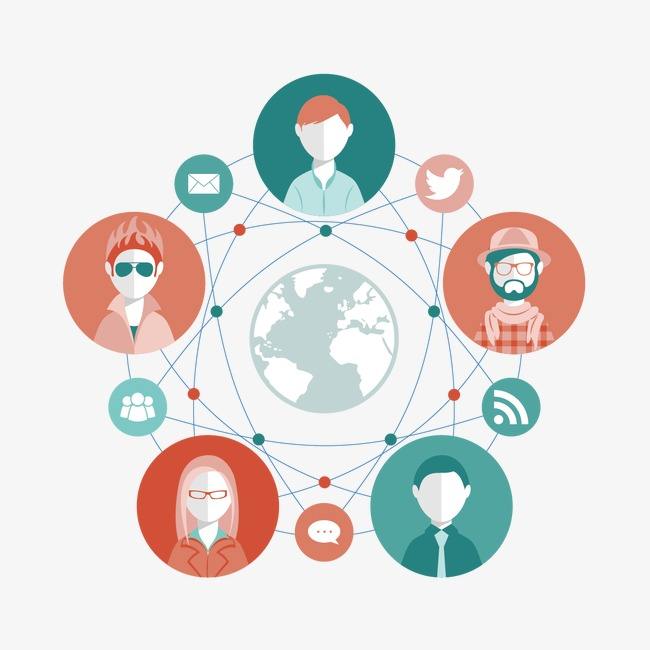
Practitioners and analysts are familiar with social media on many websites and channels such as Facebook, YouTube, Instagram, Twitter, LinkedIn.
– Oscar Wilde
Social media analysis is the ability to collect and search for information collected via social media, support business decisions, and measure the effectiveness of these decisions via social media.
As the social media analytics are gathered through each channel,Tracking, turning, examples, clicks, impressions and more. Reports from services that support marketing campaigns such as LinkedIn and Google Analytics are also different.
Social media analytics uses a custom software platform that works like a web search engine. Keywords and content information can be accessed through a channel or online search. The “Data Peacekeeper” letter is returned, uploaded to the database, sorted and analyzed for insight.
The concept of social listening is included in social media analysis. Counseling will explore social channels for problems and opportunities. Social analysis tools often include more detailed listening, which includes listening and performance analysis.
Social media analytics goes beyond preferences and business. Clicking on answers, comments and links is not enough. While these are important KPIs, a detailed analysis of social media shows why Facebook posts are gaining popularity and why users are still tweeting to you. He talks about products that rate Instagram more often than other products. This is an overview of how customers feel about your business, products and services. From there, you can develop marketing messages, resolve product issues, and resolve customer issues. Not only numbers, but determine their numbers
Also, while using social services for more customer service, social media analysis is therefore necessary to measure customer performance. (Social Customer Service)
Also, the response time, resolution ratio or “ringtone” that the Customer service representative uses on social media
Time has passed so fast that the semester course is almost over. Through this semester course, I have an in-depth understanding of all aspects of social networking and social media. The form gave me a comprehensive understanding of the knowledge in this field.
Social networking sites are mainly social. It is used to connect with acquaintances and make new friends, to maintain the user’s emotions, the dialogue mainly occurs between acquaintances. QQ space is a typical example.
Social media is a kind of media, mainly reading, and maintaining ties is a point of interest and concern. Weibo is the best, and Renren.com has the function of reading. I can get to know the people I want to follow on Renren.com by reading their status, watching their photos, and reading their logs. However, pay attention, however, I will not make friends with them, I will not have any emotions with them.
I also have learnt about Physical Information, Semantic Information, Digital Information, Information Theory and Entropy. I also learned in the next course Information as semantic content,sentiment analysis and social analysis.
At the same time as publishing a blog, I interacted with my classmates, commented each other, and actively exchanged ideas, which made me have a deeper understanding of the content of the course from different angles. In the next two program assignments, I write a Python program to perform sentiment analysis on the comments using the dictionary-based approach and output the overall sentiment score. In the second assignment, I write a Python program to create a graph G which represents the given sociomatrix, print the value of the in-degree, out-degree, closeness centrality, shortest-path betweenness of the node representing me. Through these two programming assignments, I have deepened my technical understanding of semantic analysis and social network analysis.
The final group assignment The theme of our group is gender equality. We completed the group work through the knowledge we learned in the classroom and the data collected online for relevant analysis. It also allowed us to re-view gender equality from the perspective of social media.
This semester course is coming to an end. Although the knowledge is just a few months of learning, I have a deep understanding of social network, social media, semantic analysis and other aspects of knowledge. With the development of the times and technology, the potential for development in this field will be huge, and I hope that I will be fortunate to be a staff member in this field in the future and contribute my own strength to the future development of this field.
Over the past two centuries, women’s movements have continued, problems and demands have intensified, and sporting successes have appeared one after the other.
Social media engines: The fourth wave of the women’s movement occurred in 2012 and peaked around 2018. Already in 2006, social media became popular and launched social media campaigns that demand women’s rights (feminism). In 2013, a new feminist demonstration took place. The first sign is that women participate in politics by voting. On Trump’s inauguration day, January 21, 2017, millions of women marched through the streets in Washington and New York, resulting in the largest exit rate for women, urging Trump to respect women. Women’s reviews in 2018 focused on women’s elections, and the mid-November election saw the beginning of an unprecedented US political victory.
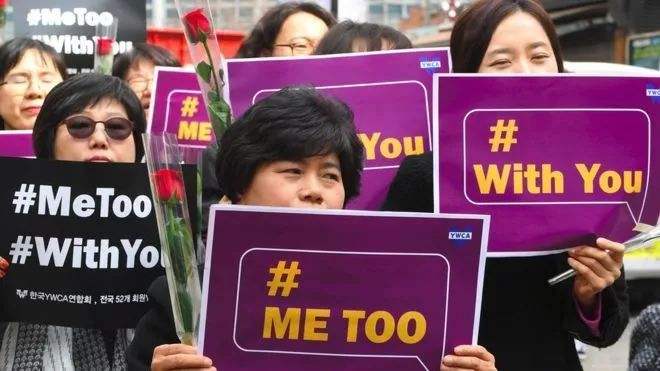
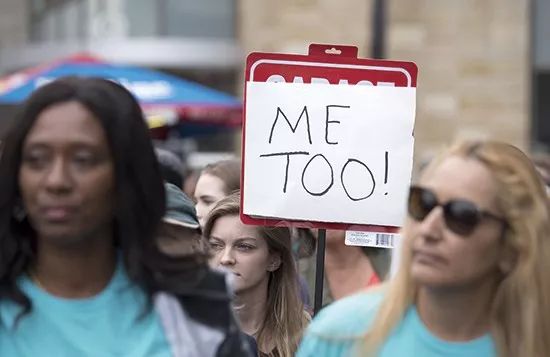
Second idea for sexual harassment. On October 5, 2017, the New York Times announced allegations of sexual harassment against gold medalists at Hollywood Wine Stein. About a week later, the Me Too movement began. The campaign aims to use social media as a means of communication and raise awareness about the seriousness of sexual harassment.
The fourth wave of feminism is marked by the use of social media.
Social media was first and foremost a way of communicating and organizing sports. The fourth wave of sports is determined by technology, especially social media such as Facebook, Twitter, Instagram, YouTube and Tumblr. The fourth wave consists of new generations of leaders who use social media well.
Second, women’s movements in developing countries are encouraged. Previously, the women’s movement was mainly in the West, with a fourth movement moving from developed western countries to developing countries. Indian violence scandals have also been discovered, leading to massive protests.
Third, the problem is more specific, minimally political and culturally strong. The fourth wave of exercise encourages women to vote, and the second promotes sexual harassment.
Fourthly, participants are women, but gender diversity is much more varied and women’s movements favor vulnerable groups. The fourth wave had many participants. In 2017, approximately 3.5million women participated in the world procession. In 2018, around 250 rallies were held worldwide.
Fifth, the results are substantial and the public and government have been closely watching. One result is the victory in the US election. CNN reports that eight women, including the first two deaths of Indians, two Texas women, two youngest girls and two women, have had a history of U.S. refugee representation. Other findings: Me Too’s retirement, punishment and social condemnation, high-ranking senior officials, two members of the British government, the Japanese Deputy Minister of Finance and the Norwegian Labor Party’s Deputy Leader. It was examine the concepts, definitions and organization of sexual harassment culture repeatedly, disseminate information and strengthen feminine culture against sexual harassment in the workplace.
In the age of social media, women’s movement will grow
In the age of information received from social networks and artificial intelligence, the development of women’s sports faces challenges. But in general it will be stronger. The socioeconomic impacts of information technology present new opportunities and demands for feminism. On the other hand, IT has improved the level of women in general, created new jobs and allowed the identification of women’s needs. In contrast, information technology can increase gender inequality through labor market restructuring, artificial intelligence algorithms have eradicated gender bias, and feminism faces these challenges and demands. There is a need for a more positive impact on public policy.
Social networks allow women to respond in order to encourage fast food development in developing countries. Women participate in social networks and they provide a convenient way to distribute international affairs, share resources and organize sports. Several quarters have shown that social networks can successfully activate the movement of women in millions and many countries in a short period of time.
Social media is making feminism peaceful, progressive, progressive, and governments are gradually recognizing this. There has always been a peaceful and gradual opposition to feminism. In social media, public online meetings and online planning methods can help eliminate hate and resilience, raise awareness, connect and discourage movement. In addition, successful experiences of women’s movements and their various benefits, such as empowering women, protecting vulnerable groups, and the idea of political rights can be disseminated through social media, which can promote the development of feminism. There is the Women’s Movement’s policy of progress towards peace, progress and gender equality, which is a widely accepted goal in modern society, and women’s movements are recognized and supported by governments in all countries.
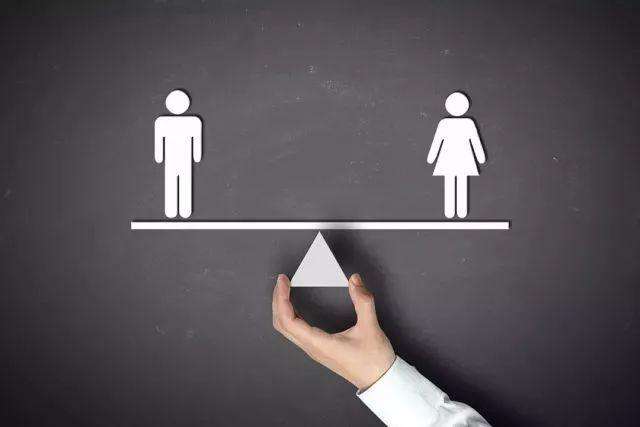
One of the goals of the United Nations Sustainable Development Goals is to achieve gender equality. Gender equality is a topic that has been hotly debated in society. Since the beginning of the 21st century, countries around the world have made great progress in fighting for equality between men and women. However, many women and girls are still experiencing different levels of discrimination and violence. Either mentally or physically.
Why is gender equality so important?
Gender inequality stems from the notions and social systems of patriarchal society since ancient times. Human beings have entered modern society,technological innovation and social progress have changed people’s perspectives. Women’s status has improved significantly. Women and girls make up half of the world’s population. But gender inequality still exists. If gender equality is not guaranteed, social progress will stagnate. The growth and education of girls in some less developed countries and regions is really worrying. The inequalities that girls face have begun to emerge and have been supported throughout their lives. In some countries, girls do not have access to adequate medical care and nutrition and high mortality. Similarly, the effects of gender inequality on women are evident, which leads to educational disadvantages, but reduces access to skills for young women and limits opportunities in the labor market.
How to address gender equality?
The United Nations Sustainable Development Goals has launched an initiative for all, if you are a child, you can stay in school and help classmates stay in school, as well as provide access to sexual and reproductive health services. The right to fight.
If you are a woman, you can address the unconscious prejudices and implicit connections that constitute barriers to equal opportunities, which are inadvertent and often invisible.
If you are a man, you can work with women and girls to achieve gender equality and adopt healthy relationships.
Gender equality is an important issue in contemporary society. To achieve true gender equality requires the joint efforts of all people and a long way to go.
 Cecilia's World